
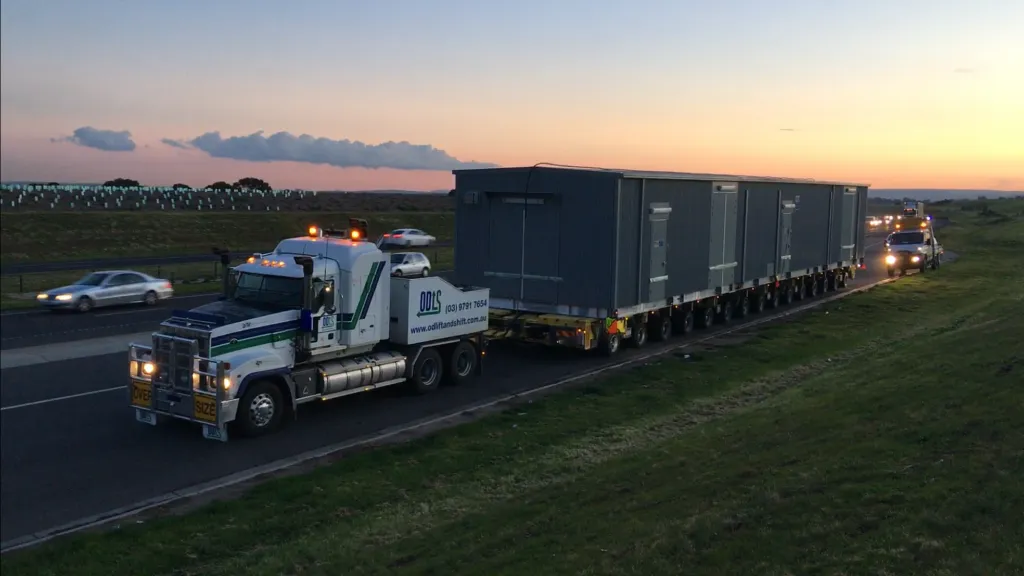
At a glance:
- Understanding each stage of heavy haulage planning helps set realistic delivery schedules and expectations.
- Permit approvals, equipment availability, and route complexity directly influence overall project duration and coordination.
- Weather, site access, and regulatory processing can delay timelines, requiring proactive planning.
- An experienced haulage provider ensures safe, compliant, and efficient project execution from start to finish.
Organising heavy haulage transport involves detailed planning, coordination, and compliance at every stage to ensure the load reaches its destination safely and on time. Even a small oversight can cause delays, compliance issues, and expensive setbacks.
Each haulage task requires a tailored plan that considers load size, distance, route conditions, and regulatory approvals. All of these factors play a part in determining the overall delivery schedule. A short local haulage project might take a few weeks, whereas an interstate move could involve several months of careful planning and paperwork.
In this article, we’ll break down the general timeline for organising heavy haulage and discuss the main factors that affect it.
Timeline for Organising Heavy Haulage Transport
Although the exact duration varies between projects, understanding each phase helps set realistic expectations and ensures smoother coordination. Here are the main stages that define a heavy haulage timeline:
Initial Planning and Assessment – from 4 weeks to Several Months
The first stage of any heavy haulage project is the examination of the load’s dimensions, weight, and handling requirements. Logistics coordinators and engineers consider these factors to determine lifting methods and vehicle suitability.
At this stage, feasibility studies and compliance reviews are conducted to identify possible routes and potential challenges. If the transport route has been used previously on other projects, a route survey may not be required and preparation may take three to five weeks. However, remote locations or aging infrastructure may require structural analysis can extend to several months.
Permit Applications and Route Approvals – 4-6 Weeks Local, 4–6 Months Interstate
Once the load and route are confirmed, the next step is to obtain permits from the relevant road authorities. This process is a crucial part of managing haulage projects, as each permit ensures that the movement complies with state and local transportation rules for oversize loads.
The time required for heavy haulage approval depends on the route’s complexity. A small local move may receive clearance within four to six weeks, while interstate transport involving multiple jurisdictions and traffic restrictions can take four to six months. Additional time may be required for remote locations or aging infrastructure.
Read More: What approvals are required for heavy haulage transportation
Equipment Allocation and Scheduling – Around 2 Weeks, Longer If Specialised Equipment Required
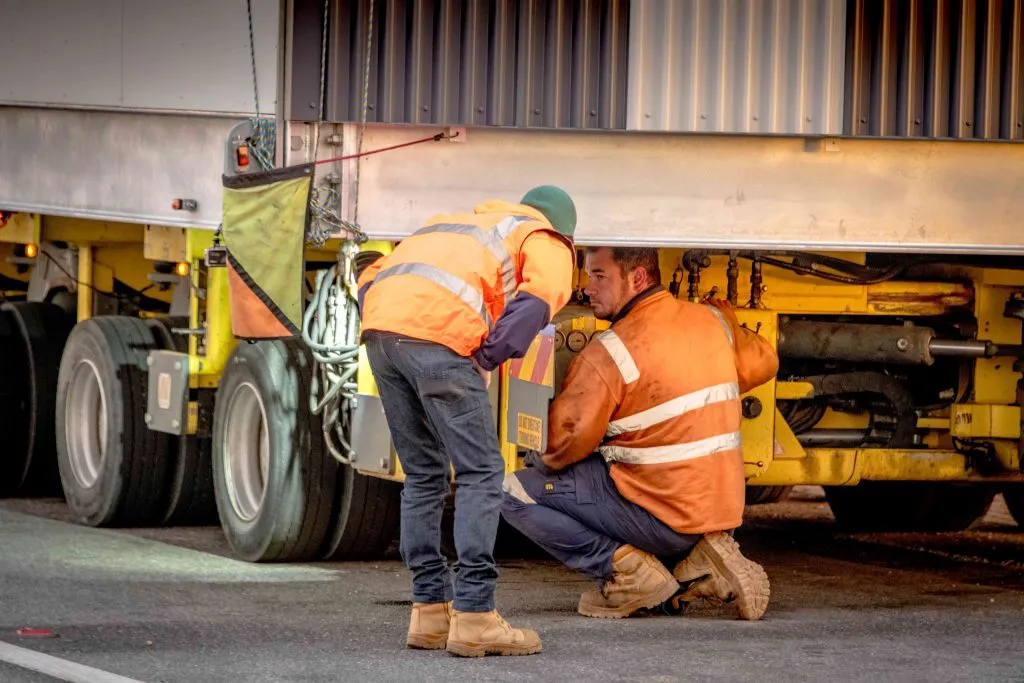
In this phase, fleet managers assign the necessary vehicles, prime movers and cranes, based on the load’s weight and setup. They plan logistics to ensure that machinery, drivers, and support teams are ready when needed.
Scheduling also depends on concurrent operations, weather forecasts, and site readiness. In ideal conditions, this process takes about one week. However, when awaiting incoming vessels, or when several projects require specialised heavy-haulage equipment, the allocation process can take longer.
Mobilisation, Load Preparation and Safety Inspections – 3 Days to a Week
Depending on the transport configuration and the distance from Depot, mobilisation and equipment set up can take up to 2 weeks. Once the equipment is mobilised, the cargo is secured and inspected to meet both HVNL and site-specific standards. Transport managers and authories conduct risk assessments, check restraint systems, and verify operator readiness. This process ensures that every aspect of heavy haulage coordination and compliance is documented and approved before departure.
The preparation timeline usually ranges from three days for standard machinery transport to a week for sensitive or irregular loads needing extra lifting support. This stage finalises all preparation before transport begins.
Transport Execution and Delivery – Up to two Weeks
The final stage of heavy transport scheduling is based on distance, route restrictions, and load size. Local deliveries in urban areas typically take a day. Meanwhile, more complex configurations in remote areas or across state lines can take up to two weeks, depending on travel speed limits, road difficulties, and distance.
Once they arrive, crews manage offloading, perform post-delivery checks, and finish equipment demobilisation. Clear reports and communication among teams make sure that every part of the heavy haulage project is conducted safely and effectively.
Key Factors That Affect the Heavy Haulage Transport Timeline
Several factors can impact the duration of a heavy haulage transport project. Understanding these factors helps planners create realistic schedules and prevent delays in heavy haulage delivery.
- Load Size and Complexity: Larger or unusual cargo requires special trailers and custom configurations, more careful lifting coordination, and sometimes escort or pilot vehicles for safe movement. These factors extend both preparation and travel time.
- Permit and Regulatory Processing: Obtaining permits from road authorities and councils can take longer when routes are remote, cross multiple jurisdictions or involve oversize loads that need structural clearances.
- Route Conditions and Distance: Every route presents different challenges. Rural and remote roads may have load limits or restricted bridges. Inner-city areas often have curfews and limited travel hours, which affect the heavy haulage timeline.
- Site Access and Preparation: Uneven ground, tight entry points, and limited space for transport combinations and cranes can delay on-site loading and unloading. Working with site teams ahead of time helps ensure smooth arrivals and departures without unnecessary downtime.
- Weather and Seasonal Impacts: Weather conditions like rain, wind, or extreme heat can stop your operation due to low traction, visibility, and safety. Seasonal restrictions and road closures may also limit travel windows, requiring schedule adjustments to prevent unexpected transport delays.
Read More: Common situations that could cause delays in heavy haulage delivery
Organising heavy haulage transport project requires careful consideration of cargo type, dimension, distance, permits, and site access, which influence the delivery timelines. Smaller, local moves might only take a few weeks, while complex interstate loads can take several months.
Working with an experienced heavy haulage company makes this process easier. With the right team managing planning, scheduling, and communication, every stage operates more smoothly. This reduces downtime and improves overall project reliability.
For safe and professionally managed haulage operations, partner with ODLS, a trusted heavy haulage provider in Australia that delivers expert planning and on-time delivery of heavy goods. Contact us today to discuss your requirements and ensure your project is completed safely, efficiently, and fully compliant.
FAQs
What information do I need to provide before planning a heavy haulage transport?
You’ll need to provide details such as the load’s dimensions, weight, pickup and delivery locations, and any special handling requirements. This information helps plan routes, secure permits, and assign the right equipment.
How are routes selected for oversize or overmass loads?
Routes are chosen based on road capacity, bridge clearances, gradients, and local travel restrictions. Each option is reviewed with road and transport authorities to ensure compliance with permit conditions.
What happens if delays occur during transport?
If delays occur, the haulage team coordinates with authorities, and site managers maintain compliance and adjust schedules. Contingency plans like backup equipment, real-time updates, and emergency response measures are implemented to minimise downtime and keep the project running.